The History of Pasta: From Ancient Traditions to Italian Cuisine
Pasta is one of the most iconic foods in the world and a fundamental part of Italian cuisine. From simple spaghetti to delicate ravioli and fresh handmade tagliatelle, pasta comes in hundreds of shapes and varieties.
But where did pasta really come from? Who invented it? And how did it become one of the most famous foods in the world?
The history of pasta is a fascinating journey through ancient civilizations, Mediterranean trade, Italian traditions, and centuries of culinary craftsmanship.
Let’s discover how pasta evolved into the food we know and love today.
The Ancient Origins of Pasta
The origins of pasta are complex and cannot be attributed to a single inventor or civilization.
Different cultures around the world developed foods made from flour and water, including various forms of dough and noodles.
Ancient Greeks and Romans also prepared dough-based foods. The Romans, for example, had a preparation known as lagana, consisting of sheets or strips of dough.
These early preparations were not necessarily identical to modern pasta, but they show that the tradition of making dough-based foods has very ancient roots.
Sicily: An Important Chapter in Pasta History
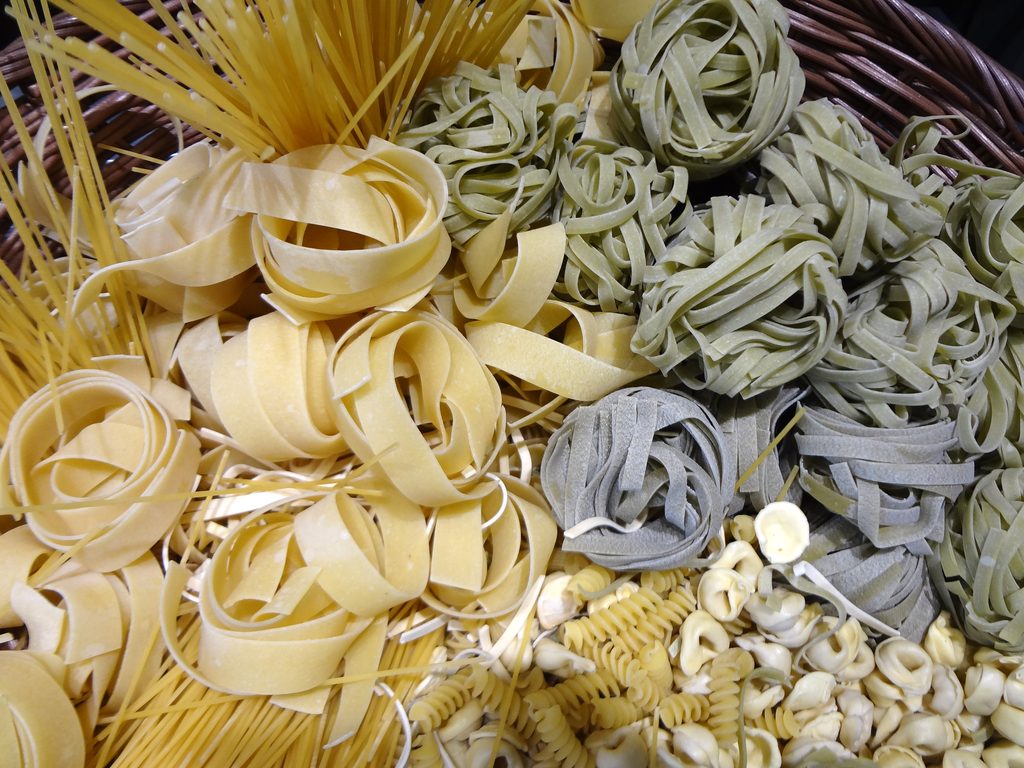
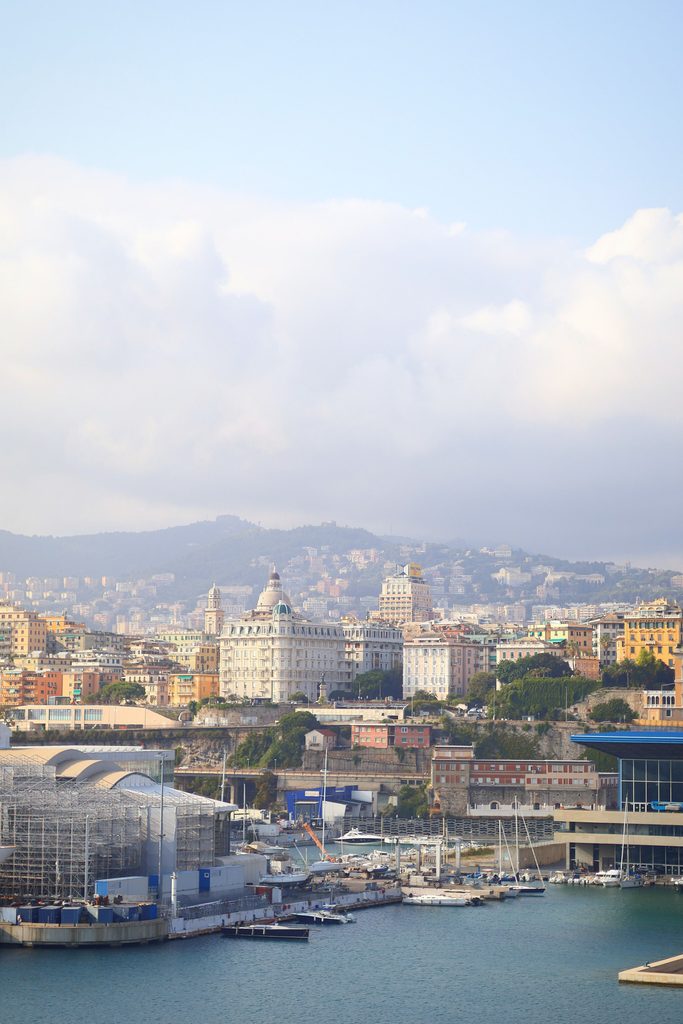
One of the earliest documented references to pasta production in Italy comes from Sicily.
In 1154, the Arab geographer Muhammad al-Idrisi described the production of a string-shaped food called itriyya in Trabia, near Palermo.
According to his account, this pasta was produced in large quantities, dried, and exported by sea to different regions.
This historical reference shows that Sicily had an established pasta production and trading tradition during the Middle Ages.
Arab and Mediterranean food cultures played an important role in the development and spread of dried pasta-making techniques.
Did Marco Polo Bring Pasta from China?
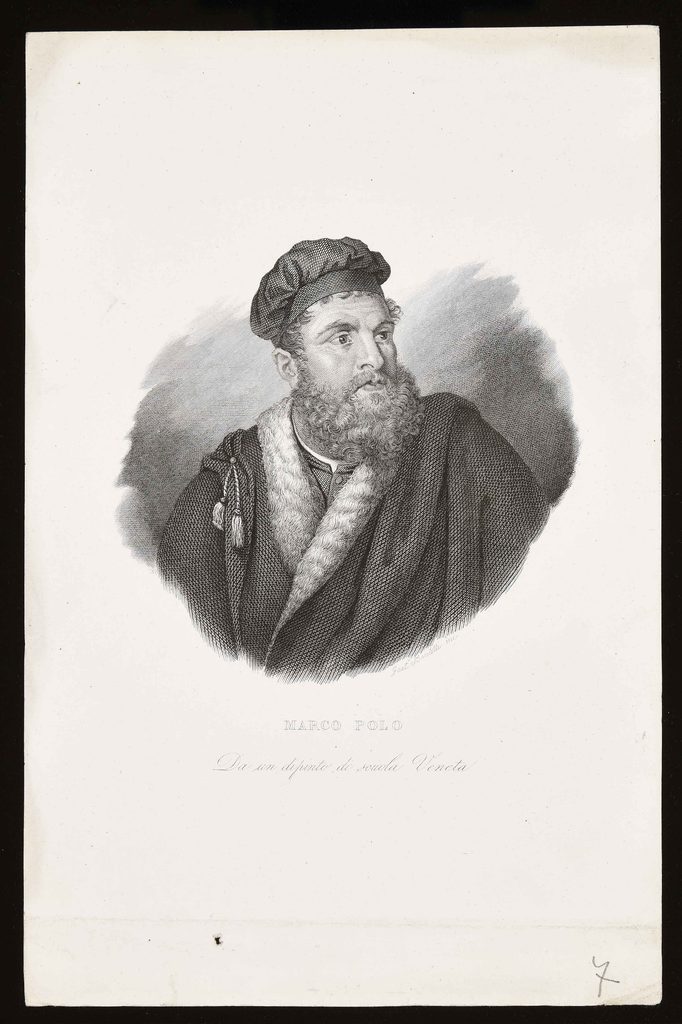
One popular story claims that the explorer Marco Polo introduced pasta to Italy after returning from China in the 13th century.
However, historical evidence shows that pasta was already known and produced in Italy before his travels.
The 12th-century account of Muhammad al-Idrisi describing pasta production in Sicily is clear evidence of this.
Marco Polo’s connection with pasta is therefore considered a historical myth rather than an established fact.
The history of pasta is much older and more complex than this popular legend suggests.
The Evolution of Pasta Making
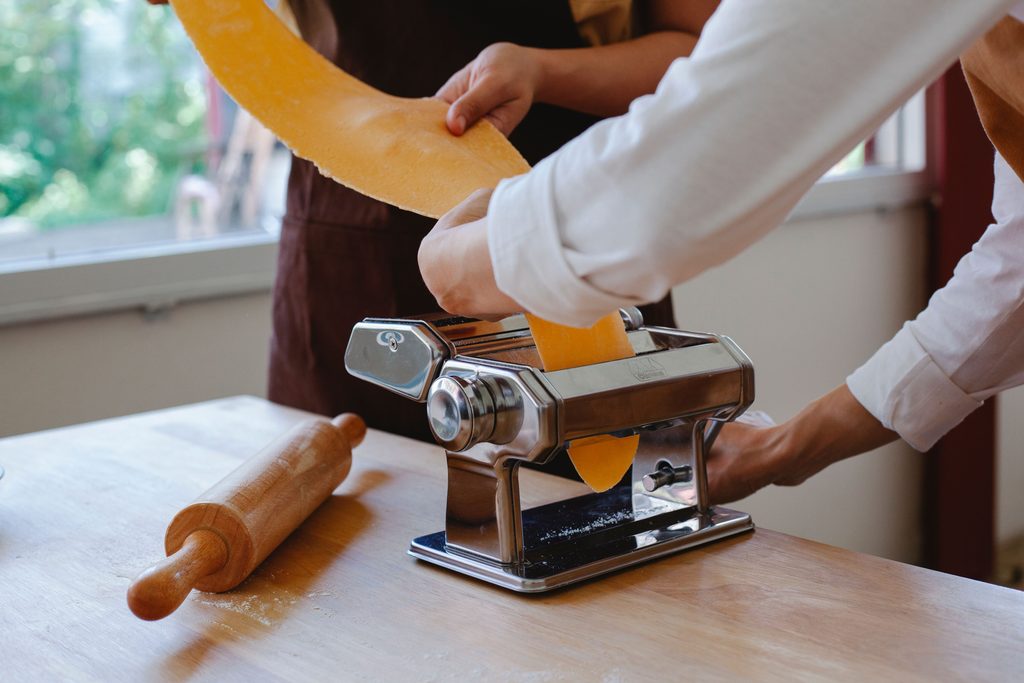
For centuries, pasta was prepared mainly by hand in Italian homes and small workshops.
Fresh pasta was made using simple ingredients, usually flour and eggs or semolina and water, depending on the regional tradition.
Over time, pasta-making techniques became more advanced. Drying methods allowed pasta to be stored for longer periods and transported to distant markets.
During the 19th century, pasta production became increasingly industrialized.
New machines and improved drying techniques helped manufacturers produce larger quantities while maintaining more consistent shapes and quality.
Today, pasta is produced using traditional craftsmanship as well as modern industrial technology.
The Most Popular Types of Italian Pasta
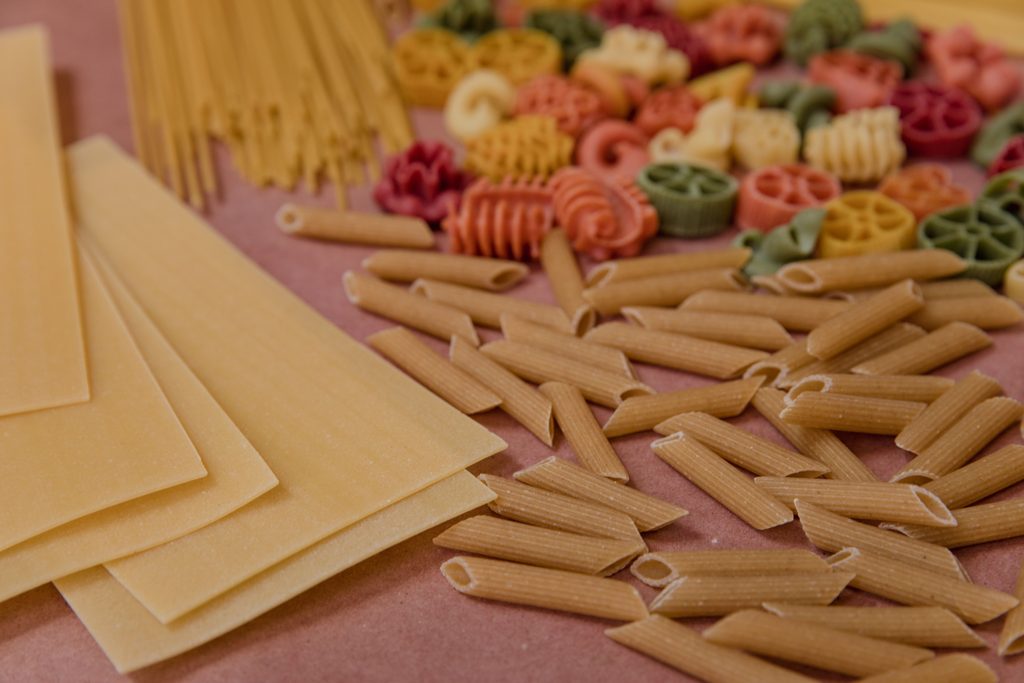
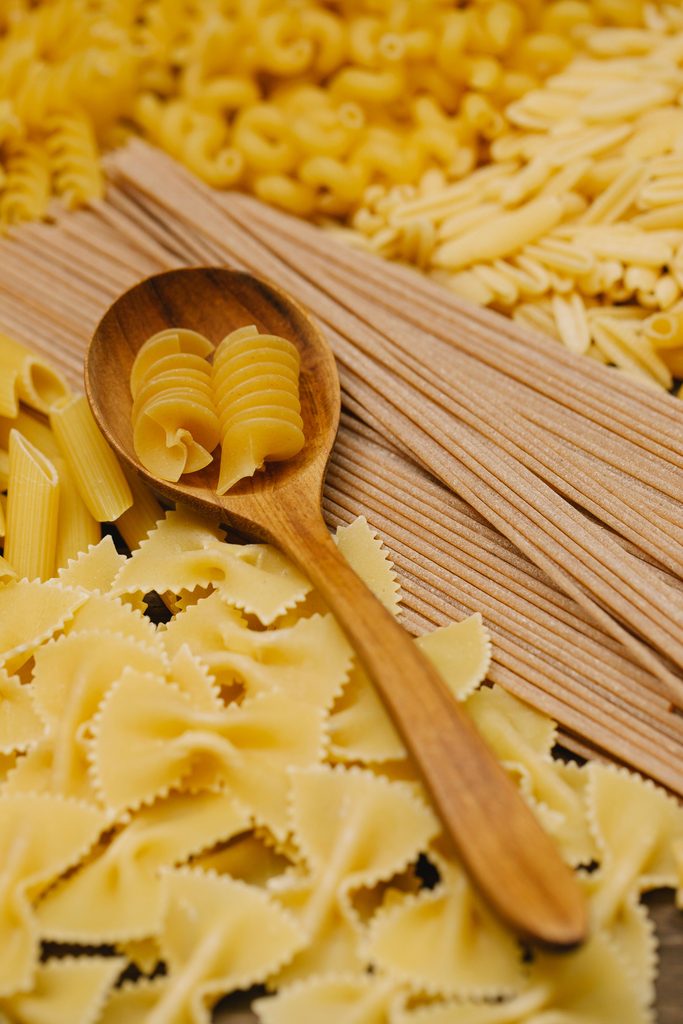
Italian cuisine is famous for its incredible variety of pasta shapes. Each shape has different characteristics and works better with certain sauces and cooking techniques.
1. Spaghetti
Long, thin, cylindrical pasta, commonly served with tomato sauce, olive oil, seafood, and other traditional sauces.
2. Penne
Short, tube-shaped pasta with diagonal cuts. Its shape makes it suitable for tomato-based sauces, cream sauces, and baked pasta dishes.
3. Fusilli
Spiral-shaped pasta that holds sauces beautifully, making it a popular choice for pesto and pasta salads.
4. Tagliatelle
Long, flat ribbons of fresh egg pasta, traditionally associated with Bologna and often served with rich meat ragù.
5. Fettuccine
Flat ribbon-shaped pasta, commonly associated with creamy sauces and butter-based preparations.
6. Ravioli
Fresh pasta filled with ingredients such as ricotta, spinach, meat, or seafood.
Each pasta shape has its own culinary identity, texture, and ideal sauce pairing.
Conclusion: Pasta, A Symbol of Italian Culinary Heritage
Pasta is much more than a simple combination of flour and water. It represents centuries of history, cultural exchange, regional traditions, and culinary innovation.
From ancient dough preparations to medieval Sicily and the development of modern Italian pasta production, this food has continuously evolved.
Today, pasta remains one of the most important elements of Italian cuisine and an inspiration for chefs around the world.
Understanding the history of pasta is the beginning of understanding its ingredients, shapes, cooking methods, and the art of creating exceptional pasta dishes.