
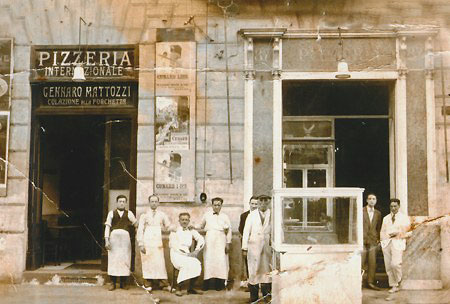
The History of Pizza: Origins, Naples and the Birth of a Global Icon
The Story Behind the World’s Favorite Food
Pizza is one of the most loved foods in the world. From traditional Italian pizzerias to modern restaurants, pizza has become a global culinary icon. But have you ever wondered where pizza really came from? Who invented it, and how did a simple piece of dough become one of the world’s most famous dishes?
Let’s explore the fascinating history of pizza, from its ancient origins to the modern styles we enjoy today.
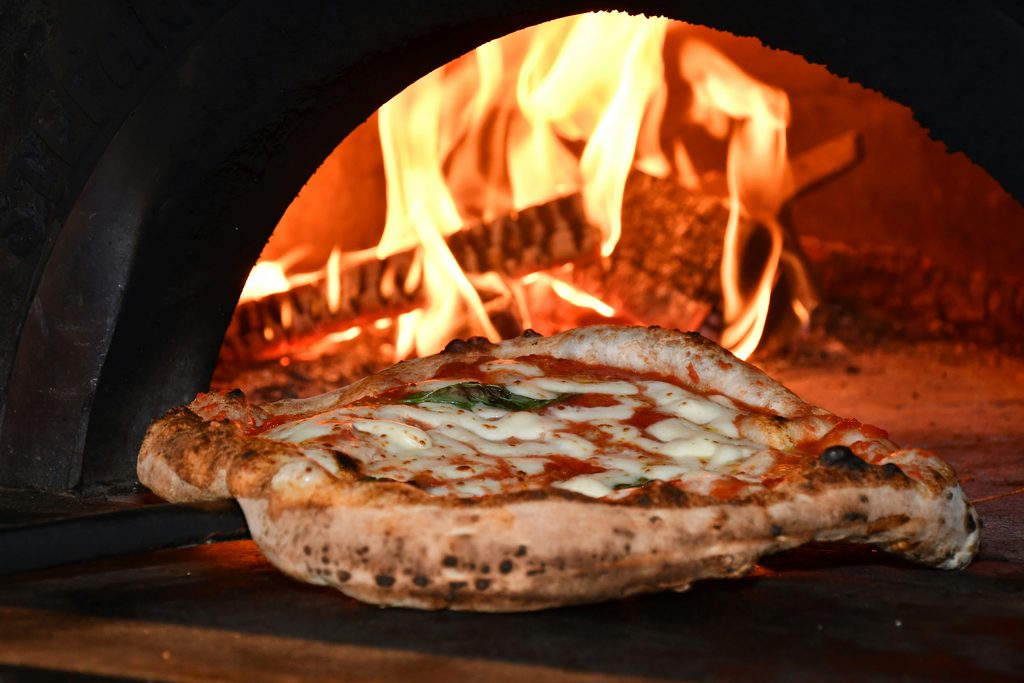
The Ancient Origins of Pizza
The history of pizza goes back much further than modern Italy. Ancient civilizations, including the Egyptians, Greeks, and Romans, prepared different types of flatbreads topped with olive oil, herbs, and other ingredients.
However, these early flatbreads were not exactly the pizza we know today. They were simply part of a long culinary tradition that eventually influenced the development of modern pizza.
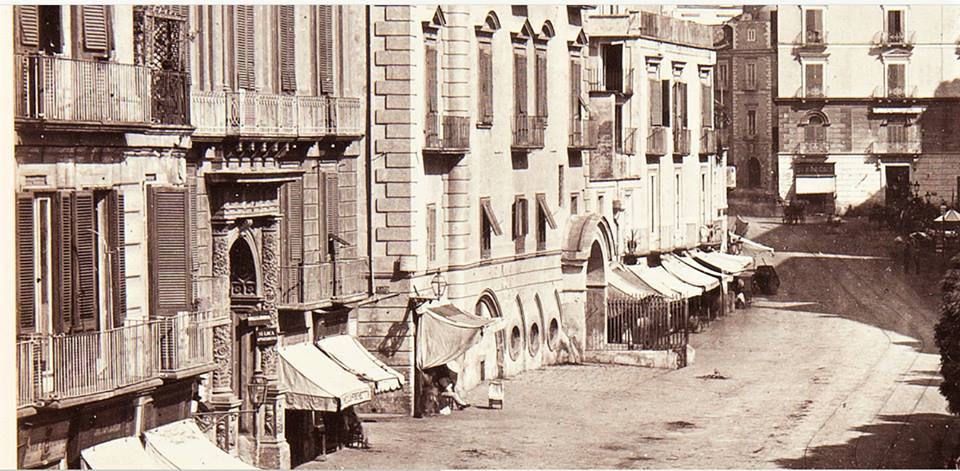
Naples: The Birthplace of Modern Pizza
The modern pizza as we recognize it today developed in Naples, in southern Italy, particularly during the 18th and 19th centuries.
At that time, Naples was a densely populated city, and many working-class families needed affordable, filling food that was quick to prepare and easy to eat.
Local bakers and street vendors began preparing flat rounds of dough topped with simple ingredients such as tomatoes, garlic, olive oil, cheese, and herbs.
These early pizzas became an essential part of Neapolitan street food culture.
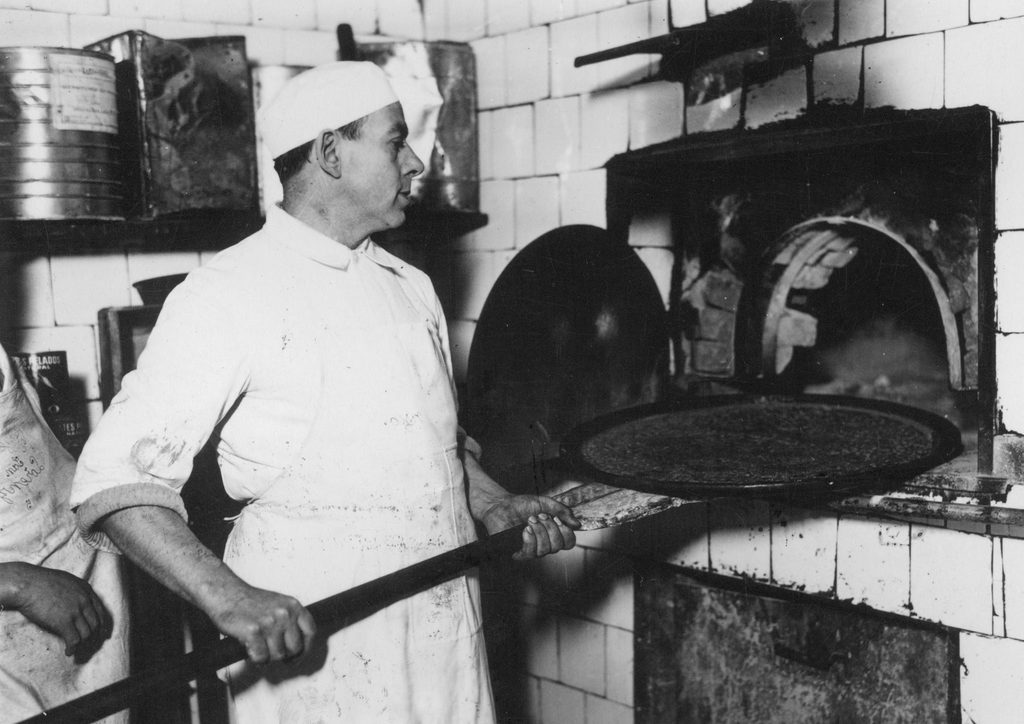
Who Invented Pizza?
There is no single person who can be credited with inventing pizza.
Pizza developed gradually through centuries of bread-making traditions and Neapolitan culinary culture.
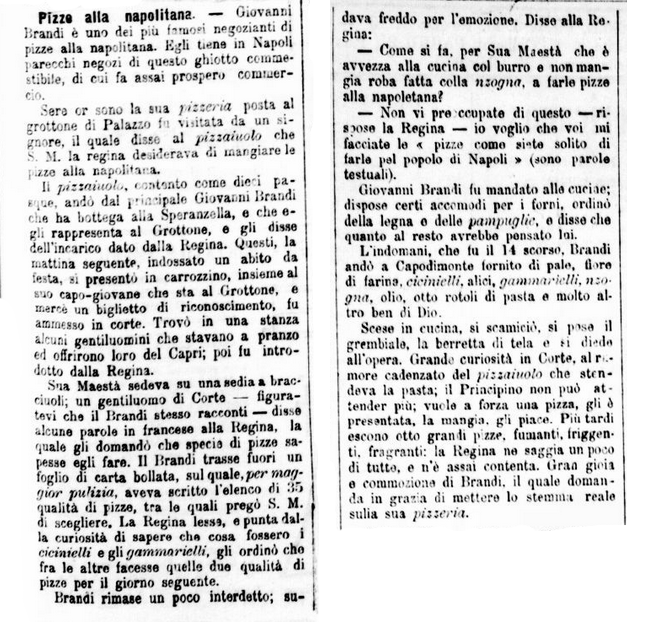
One of the most famous figures in pizza history is Raffaele Esposito, a Neapolitan pizzaiolo.
According to the famous story, in 1889, he prepared pizzas for King Umberto I and Queen Margherita during their visit to Naples.
One of the pizzas featured tomatoes, mozzarella cheese, and fresh basil. Its red, white, and green colors were associated with the Italian flag.
This pizza became known as Pizza Margherita, named after Queen Margherita.
Although the exact story behind its naming is debated, the Margherita remains one of the most iconic pizzas in Italian cuisine.

How Pizza Became Popular Around the World
For many years, pizza remained strongly associated with Naples.
During the late 19th and early 20th centuries, Italian immigrants, especially from southern Italy, brought their food traditions to countries such as the United States.
Pizza gradually gained popularity in cities like New York and became part of international food culture.
Over time, different countries developed their own pizza styles, ingredients, cooking techniques, and dough traditions.
Today, pizza is enjoyed worldwide, from traditional Neapolitan pizza to New York-style, Roman-style, and many modern interpretations.
Conclusion: More Than Just a Pizza
Pizza is much more than a combination of dough, tomato sauce, and cheese.
It represents centuries of culinary traditions, creativity, and craftsmanship.
From its early flatbread origins to the traditional pizzerias of Naples and modern pizza styles around the world, pizza continues to evolve.
Understanding its history is the first step toward understanding the art of making great pizza.
In our next article, we will explore one of the most important elements of pizza making: The Science of Pizza Dough – Classic Dough, Biga, and Poolish.